Do you sometimes feel lost in the maze of digital marketing? You are certainly not alone.Digital marketing is simply your strongest assetfor being where your customers spend their time: online. Think of it as your digital storefront, always open and accessible to everyone.
Are you struggling with low website traffic, poor online visibility, or do you not understand the ROI of your marketing efforts? Then you've come to the right place. In this guide, we explain in clear language how to build a rock-solid strategy that delivers results.
What will you learn?
- The core principles of digital marketing that really work.
- How to choose the right channels for your business.
- Practical tips to get started today.
What is Digital Marketing? What It Really Means for Your Business
Many entrepreneurs like you face the same obstacles. Too few visitors to the website, barely any online visibility, and no idea what that marketing investment actually yields. Does this sound familiar? The answer lies in understanding the core principles ofdigital marketing.
It's not about chasing every new trend. The trick is to build a lasting connection with your target audience through the channels they already use every day. This isn't some vague concept; it's a concrete strategy for growing your business.
The Foundation for Your Growth
A rock-solid digital marketing strategy is the foundation on which you build everything. It allows you to:
- Attract more relevant visitorswho are genuinely interested in what you have to offer.
- Increase your brand awareness so that potential customers immediately think of you.
- Achieve measurable results, so you know exactly which efforts generate the most revenue.
By establishing this foundation properly, you create a predictable stream of leads and new customers.
A Strategy for the Dutch Market
The Dutch market is unique and digitally very mature. Recent analyses show that the focus in the Netherlands is increasingly shifting towards personalized and targeted advertising. This is because Dutch consumers are at the forefront of online purchasing behavior within the EU. Advertisers are therefore using advanced data analytics to better reach their target audience and maximize conversions. For more insights, check out the analysis of the Dutch digital advertising market.
Your digital presence is no longer a side issue; it is the engine of your future growth. Waiting is simply not an option in today's market.
Mastering the fundamentals is the first, essential step toward the sustainable growth you are seeking. Let's take that step together.
The Core Channels of Digital Marketing Analyzed
Digital marketing is not a magic button. Think of it more as a well-stocked toolbox. The real art is knowing which tool to use for which job, especially if you want to solve problems such as low website traffic or poor online visibility.
Imagine that your business is a physical store. How do you get people to come in?
You can put up a large, permanent sign that attracts people from far away (SEO). You can broadcast a temporary radio advertisement for a special offer (Paid Advertising). Or you can send personal invitations to your most loyal customers (Email Marketing).
Each tactic works differently, but they all have the same goal: getting the right people over the threshold. Let's take a closer look at these digital channels.
Search Engine Optimization (SEO) for Long-Term Visibility
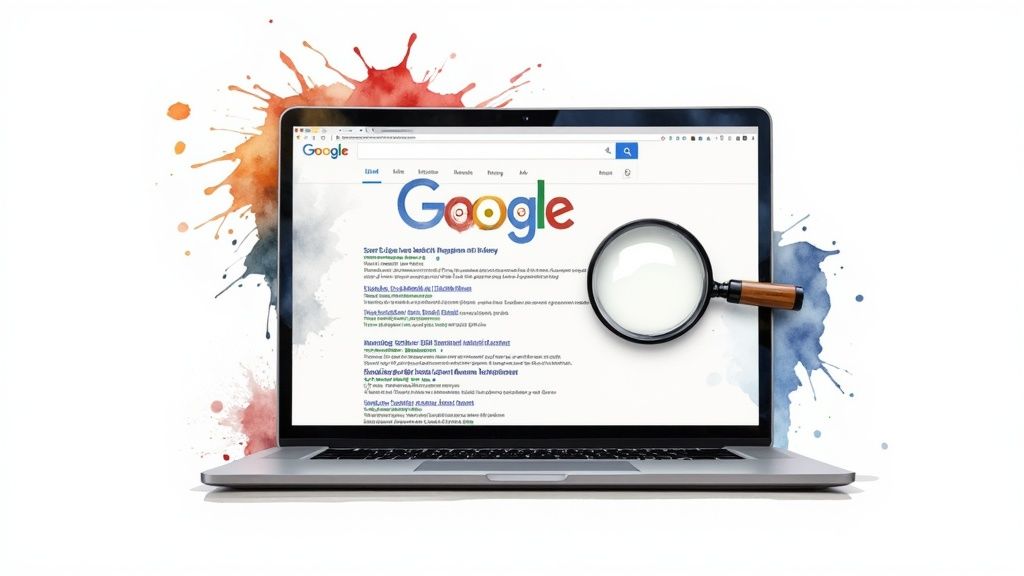
SEO (Search Engine Optimization) is the art of making your website irresistible to search engines such as Google. The goal is simple: when potential customers search for what you offer, you come out on top. It's the digital equivalent of having a store in the best location in town.
This channel is designed for companies that focus onsustainable, long-term growth. SEO does not deliver miracles overnight, but the traffic it ultimately generates is highly relevant and cost-effective. For example, a local bakery in Utrecht can use SEO to rank for "artisan bread Utrecht" and thus attract customers who are actively looking for its products.
Paid Advertising (PPC) for Immediate Impact
Paid advertising, often referred to as Pay-Per-Click (PPC), is the fast track to your target audience. You pay a fee each time someone clicks on your ad, whether that's on Google, LinkedIn or Instagram is. Think of it as renting a billboard on the busiest digital highway—you'll be seen immediately.
PPC is ideal when you needquick results. Perfect for launching a new service, a seasonal sale, or generating leads for a temporary campaign. A Dutch tech startup can use Google Ads to target professionals looking for specific software solutions, which immediately generates sign-ups.
Social Media Marketing for Building a Community
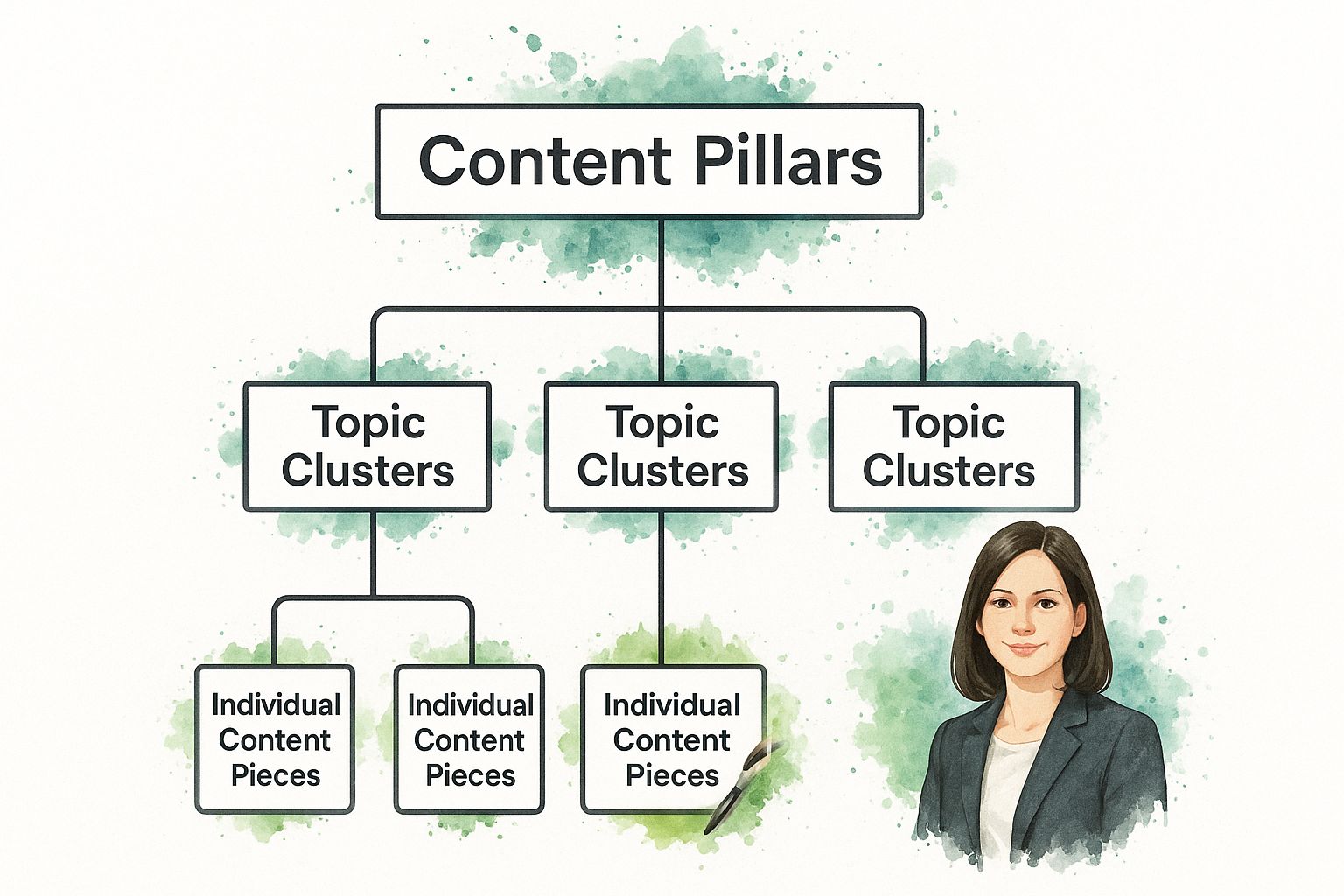
Social media marketing is much more than just posting updates. It's about building a real community and engaging in conversations with your target audience on the platforms they use every day. It's the modern village center where you build relationships and showcase your brand's personality.
This channel is fantastic forincreasing brand awareness and promoting customer loyalty. For example, a boutique hotel in Amsterdam can use Instagram to showcase its beautiful interior and local experiences, thereby building a loyal group of followers who already feel connected to the brand before they even make a booking.
Email Marketing for Relationship Management
Don't be fooled: email is alive and kicking. Email marketing is still one of the most powerful channels for converting interested prospects into loyal customers. You have a direct line to people who have already indicated their interest.
Email is unmatched fornurturing leads and encouraging repeat purchases. A Dutch online store that sells sustainable clothing can use email to send personalized style tips, notifications about new collections, and exclusive discounts. This strengthens customer loyalty and ensures that people keep coming back.
The Core Channels at a Glance
This table provides an overview of the most important channels, their objectives, and when it is best to use them.
| Marketing channel | Primary Goal | Dear For |
|---|---|---|
| SEO | Sustainable, long-term visibility & organic traffic | Building fundamental growth and authority over time. |
| Paid Advertising (PPC) | Direct traffic, leads, and sales | Quick results, product launches, and time-sensitive promotions. |
| Social Media Marketing | Brand awareness & community engagement | Build relationships, showcase brand personality, and engage visually. |
| Email marketing | Lead nurturing & customer loyalty | Encourage repeat purchases and build loyalty with an existing audience. |
Although each channel has its own role, their true power emerges when they work together.
Build a Sustainable Foundation with SEO
Imagine your website is your digital storefront. SEO is the network of well-lit roads that leads potential customers straight to your front door. While other channels can cause quick spikes in traffic, SEO is the essential foundation forsustainable, long-term growth.
Think of it this way: paid ads are like renting a billboard. As soon as you stop paying, your visibility disappears. SEO, on the other hand, is like owning the land on which that billboard stands. It takes time and effort, but once established, you own a valuable asset that generates consistent traffic. In the competitive Dutch market, a solid SEO foundation is not a luxury, but a necessity.
The Three Pillars of Modern SEO
To build a strong structure, you need sturdy pillars. SEO works the same way. We divide it into three core components that work together to improve your ranking.
- On-Page SEO: Everything you can adjust directly on your website. This includes optimizing your content with the right keywords, writing catchy titles, and structuring your pages logically.
- Off-Page SEO: Actions outside your own website to influence your ranking. The most important part islink building: obtaining links from other reliable websites. Consider each link as a vote of confidence.
- Technical SEO: The behind-the-scenes work that ensures your website can be indexed properly by search engines. This includes things like site speed, mobile-friendliness, and a clear sitemap, which is a kind of map for Google.
Mastering these pillars ensures that your website is not only attractive, but also technically sound and authoritative in the eyes of Google.
Find What Your Customers Are Searching For
The core of an effective SEO strategy is understanding which words and phrases your potential customers type into Google. We call thiskeyword research. It's not about guessing, but about using data to discover the language of your target audience.
Suppose you have a bicycle shop in Amsterdam. You might think that "premium bicycles" is the perfect keyword. But research may show that your customers are searching for "lightweight city bike Amsterdam" or "best e-bike for commuting."
By focusing on these more specific search terms, you appeal to customers with a much clearer intention to buy. You are no longer shouting into the void, but starting a targeted conversation.
This research forms the basis for all content you create, from blog posts to service pages.
Content: The Key to Trust and Authority
In the world of SEO, content is king. But not just any content. Google's goal is to provide users with the most relevant answers. To rank highly, you need to create content that does just that: valuable articles, guides, and resources that solve your customers' problems.
Instead of just listing your services, create content thathelps your audience. A financial advisor could write a guide to retirement planning for freelancers. A software company could create a blog post comparing different project management methods.
By consistently providing value, you build trust and authority, which are crucial ranking factors. For a deeper dive into how we build these strategies, discover our detailed approach to SEO search engine optimization.
Connect with your Audience via Content and Social Media
If SEO is the foundation of your digital home, then content and social media are the engaging conversations that take place inside. It's how you turn casual visitors into a loyal community. This is less about advertising and more about building real connections.
Good content—such as blog posts or videos—positions you as a reliable expert. It answers the questions your audience is already asking. Social media then acts as a megaphone and meeting place, where you can amplify your message and start real conversations.

The Art of Creating Valuable Content
Let's be honest: your audience doesn't want a sales pitch, they want solutions. The most effective content strategies focus on creating resources that are genuinely useful, informative, or entertaining.
This approach builds credibility. When it's time to make a purchase, who will they go to? The company that only promoted products, or the one that consistently shared value and expertise?
Consider these proven formats to get started:
- Blog posts and articles:Perfect for diving deep into topics and answering common customer questions.
- Case Studies:Show, don't just tell. Nothing builds trust more than demonstrating how you have helped others.
- Videos:A highly engaging format for explaining complex ideas in a simple way and giving your brand a human face.
The goal is to create a library of resources that helps your audience. Discover how we approach this strategically with content marketing.
Use Social Media to Build a Community
Social media platforms are not advertising channels; they are vibrant communities. Your role is to participate, not just broadcast. Choose the platforms where your ideal customers arealreadyactive. A B2B tech company is likely to have more success on LinkedIn, while a fashion brand will thrive on Instagram.
Your social media goal should be engagement, not just the number of followers. A smaller, highly engaged group is much more valuable than a large, silent crowd. Start conversations, ask questions, and respond to comments.
This creates a dialogue and transforms a passive audience into passionate brand ambassadors.
Choose the Right Social Platforms
You absolutely do not need to be present everywhere. It is much more effective to focus your energy where it matters most. For many Dutch companies, a presence on platforms with a large local user base is crucial.
Take X (formerly Twitter) as an example. Recent data shows that the platform had approximately9.19 million usersin the Netherlands. This deep penetration makes it a powerful channel for reaching a large proportion of Dutch internet users.
Outline a Simple Content Plan
Consistency is more important than perfection. A simple content plan ensures that you offer value on a regular basis.
Here's a simple exercise: brainstorm the top 10 questions your customers ask. Each of those questions can become a blog post, a short video, or a series of social media tips. This gives you a solid starting point for your content calendar.
By planning ahead, you ensure that your online presence becomes a cohesive driver for business growth.
Stimulating Direct Growth with Paid Advertising
While SEO builds your digital foundation for the future, sometimes your business needs momentumright now. This is where paid advertising excels. It gives you the power to put your business right in front of potential customers at the exact moment they need you.
Think of it as renting a perfectly positioned pop-up store in the busiest digital shopping street. You don't wait for people to find you; you go straight to them. This is ideal when launching a new product, a seasonal offer, or when you need leads and sales fast.
The Landscape of Understanding Paid Advertising
Paid advertising, often referred to asPay-Per-Click (PPC), is a model where you pay each time someone clicks on your ad. The two main arenas for this are search engines and social media.
- Search Engine Advertising (SEA):Platforms such as Google Ads allow you to bid on specific keywords. When someone searches for that term, your ad can appear at the top of the results.
- Paid Social Media:Platforms such as LinkedIn, Instagram and Facebook allow you to target users based on demographics, interests, and online behavior.
Each platform has a different purpose, but they share a powerful advantage:immediacy and control. You decide who sees your ads, how much you spend, and you see the results almost immediately.
Set a Smart Budget and Target the Right People
One of the biggest stumbling blocks for entrepreneurs is determining the budget. The beauty of paid advertising is that you don't need a huge budget to get started. You can start small to test what works.
The real key is not your budget, but how accurately you define your target audience. You can specify your audience based on:
- Location:Target users in a specific city, region, or even within a certain radius of your store.
- Demographics:Filter by age, gender, position, and industry.
- Interests:Reach people based on their hobbies.
- Behavior:Target users who have previously visited your website (this is calledretargeting).
A well-targeted ad shown to100perfect potential customers is infinitely more valuable than a generic ad shown to10,000uninterested people.
By focusing your budget on a highly relevant audience, you significantly increase your chances of success.
Create Ads That People Want to Click On
Your advertisement is your digital handshake. It must be compelling, clear, and relevant. A great advertisement has three core components:
- A catchy headline:This should grab attention and match the user's search query or interest.
- Relevant Text:The text should clearly state the benefit and solve a specific problem for the user.
- A Clear Call to Action (CTA):Tell the user exactly what you want them to do, such as "Shop Now," "Download Guide," or "Request a Quote."
Your advertisement must deliver on its promise. The landing page it links to should be a seamless continuation of that message. Learn more about our strategic approach to search engine advertising.
To Measure is to Know: Return on Investment
The most powerful aspect of paid advertising is its measurability. You don't have to guess whether it works. By tracking statistics such as clicks, conversions, and cost per acquisition, you can accurately calculate yourReturn on Investment (ROI).
This data-driven approach enables you to make smart decisions. You can invest in the ads that generate sales and discontinue those that are not effective. This cycle of testing, measuring, and optimizing builds a profitable advertising machine.
Your Profitable Building a Digital Marketing Strategy
Having good tools is one thing; having a winning plan is quite another. Here, we bring everything together, from separate channels to a coherent roadmap for growth.
A strategy ensures that every action you take is purposeful. It transforms your marketing from random activities into a predictable engine for success.
Compare it to building a house. You don't just start laying bricks. You start with a detailed blueprint. Your digital marketing strategy is that blueprint for growth.

Set Clear and Measurable Goals
What does success mean for your company? Without a clear destination, you cannot map out the route. The best goals areSMART:
- Be specific:Clearly define what you want to achieve. Instead of "more website traffic," aim for "increase organic website traffic by20%."
- Measurable:Ensure that you can track your progress with hard data.
- Acceptable:Set goals that are challenging but achievable.
- Relevant:Your goals should align with your larger business objectives, such as revenue growth.
- Time-bound:Set yourself a deadline, such as "within the next six months."
This simple framework turns vague ambitions into a concrete plan.
Understand Your Ideal Customer
You can't market to an audience you don't understand. Before choosing a channel, you need to have a crystal-clear picture of who your ideal customer is.
A deep understanding of your customer's challenges, motivations, and online habits is the most important element of a successful strategy. Where do they search for information online? Which social media platforms do they actually use?
Creating a detailed buyer persona—a fictional profile of your ideal customer—helps you make smarter decisions about everything from the words in your ads to the channels you invest in.
Choose the Right Mix of Channels
Once your goals are set and you know your audience, it's time to choose your marketing channels. A common mistake is trying to be everywhere at once. It's much more effective to dominate a few relevant channels.
Your choice should directly reflect where your ideal customer spends their time. This strategic focus ensures that your budget and energy are concentrated where they have the greatest impact. This is especially important given the rapid digital growth in the Netherlands. The Dutch market for digital transformation is expected to nearly double, fromUSD 35.54 billion in 2025 to USD 66.07 billion in 2030. More insights on this can be found in the Dutch digital market growth on Mordor Intelligence.
Monitor, Analyze, and Optimize
A strategy is not a document that you set up and forget about. It requires constant attention. Tools such asGoogle Analyticsare essential for understanding what is happening on your website. They allow you to track important statistics and measure yourReturn on Investment (ROI).
By regularly checking your data, you stop guessing and start making informed decisions. This continuous cycle of tracking, analyzing, and adjusting is what sets successful companies apart. It's how you keep improving and get closer to your goals.
Your Digital Marketing Questions Answered
Getting started with digital marketing can feel like learning a new language, and it's perfectly normal to have questions. You don't need jargon; you need clear, direct answers to make smart decisions. Let's tackle some of the most common questions.
Our goal here is to cut through the noise and give you the practical insights you need.
How Much Should I Budget for Digital Marketing?
This is often the first question, but there is no magic number. A commonly used rule of thumb is to set aside7-12% of your total revenuefor marketing. Honestly, it depends on your industry and your goals.
A better way to start is small and focused:
- Select one or two channels where your ideal customers are located.
- Set a starting budget that you feel comfortable with.
- Then closely monitor yourReturn on Investment (ROI).
Once you see what delivers results, you can confidently invest more in what works. This way, your budget grows based on proven success, not guesswork.
Which Digital Marketing Channel is the Most Important?
The "most important" channel is simply where your customers are. There is no secret formula. The best strategies are always built around the online behavior of your target audience.
A B2B consulting firm will likely find its best leads on LinkedIn, supported by a solid SEO strategy. But a brand that sells handmade jewelry? It will probably see the most success on visual platforms such as Instagram and Pinterest.
The real trick is not finding one "best" channel. It's about creating a smart mix in which different channels work together.
It is a team effort – each channel plays its own important role.
How Long Does It Take to See SEO Results?
Patience is a virtue when it comes to SEO. Think of it as a long-term investment, not a quick fix. Although you may see some minor improvements in rankings and traffic within3-4 months, it usually takes6-12 monthsto see truly significant, lasting results.
That timeline may seem long, but the payoff is enormous. A solid SEO strategy builds a powerful asset for your business: a steady stream of high-quality organic traffic that you don't have to pay for every click. It is the foundation of sustainable growth in the digital world.
