
Voel jij je soms ook verdwaald in het doolhof van digitale marketing? Je bent zeker niet de enige. On digital marketing is simpelweg jouw sterkste troef om daar te zijn waar je klanten hun tijd doorbrengen: online. Zie het als je digitale etalage, altijd open en voor iedereen toegankelijk.
Worstel je met lage website traffic, slechte online zichtbaarheid of begrijp je de ROI van je marketinginspanningen niet? Dan ben je hier op de juiste plek. In deze gids leggen we in heldere taal uit hoe je een ijzersterke strategie bouwt die resultaat oplevert.
Wat ga je leren?
- De kernprincipes van digitale marketing die echt werken.
- Hoe je de juiste kanalen kiest voor jouw bedrijf.
- Praktische tips om vandaag nog te starten.
Wat Digitale Marketing Echt Betekent voor Jouw Bedrijf
Veel ondernemers zoals jij lopen tegen dezelfde muren op. Te weinig bezoekers op de website, nauwelijks zichtbaar online en geen flauw idee wat die marketinginvestering nu eigenlijk oplevert. Klinkt dit bekend? Het antwoord zit in het doorgronden van de kernprincipes van on digital marketing.
Het gaat er niet om dat je achter elke nieuwe trend aanholt. De kunst is om een duurzame connectie op te bouwen met je doelgroep via de kanalen die ze al dagelijks gebruiken. Dit is geen vaag concept; het is een concrete strategie om je bedrijf te laten groeien.
De Basis voor Jouw Groei
Een ijzersterke digitale marketingstrategie is het fundament waar je alles op bouwt. Hiermee kun je:
- Meer relevante bezoekers aantrekken die oprecht geïnteresseerd zijn in wat jij te bieden hebt.
- Je merkbekendheid vergroten, zodat potentiële klanten direct aan jou denken.
- Meetbare resultaten behalen, waardoor je precies weet welke inspanningen de meeste omzet opleveren.
Door deze basis goed neer te zetten, creëer je een voorspelbare stroom van leads en nieuwe klanten.
Een Strategie voor de Nederlandse Markt
De Nederlandse markt is uniek en digitaal ontzettend volwassen. Recente analyses laten zien dat de focus in Nederland steeds meer verschuift naar gepersonaliseerde en doelgerichte advertenties. Dit komt doordat Nederlandse consumenten vooroplopen in hun online koopgedrag binnen de EU. Adverteerders zetten daarom geavanceerde data-analyses in om hun doelgroep beter te bereiken en conversies te maximaliseren. Voor meer inzichten kun je de analyse van de Nederlandse digitale advertentiemarkt bekijken.
Je digitale aanwezigheid is geen bijzaak meer; het is de motor van je toekomstige groei. Wachten is in de huidige markt simpelweg geen optie.
Het beheersen van de fundamenten is de eerste, onmisbare stap naar de duurzame groei waar je naar op zoek bent. Laten we samen die stap zetten.
De Kernkanalen van Digitale Marketing Ontleed
Digitale marketing is geen magische knop. Zie het meer als een goedgevulde gereedschapskist. De echte kunst is weten welk gereedschap je voor welke klus pakt, zeker als je problemen als te weinig websiteverkeer of slechte online zichtbaarheid wilt oplossen.
Stel je voor dat jouw bedrijf een fysieke winkel is. Hoe krijg je mensen naar binnen?
Je kunt een groot, permanent uithangbord plaatsen dat mensen van ver aantrekt (SEO). Je kunt een tijdelijke radioreclame uitzenden voor een speciale aanbieding (Betaald Adverteren). Of je kunt persoonlijke uitnodigingen sturen naar je trouwste klanten (E-mailmarketing).
Elke tactiek werkt anders, maar ze hebben allemaal hetzelfde doel: de juiste mensen over de drempel krijgen. Laten we deze digitale kanalen eens onder de loep nemen.
Zoekmachineoptimalisatie (SEO) voor Lange Termijn Zichtbaarheid
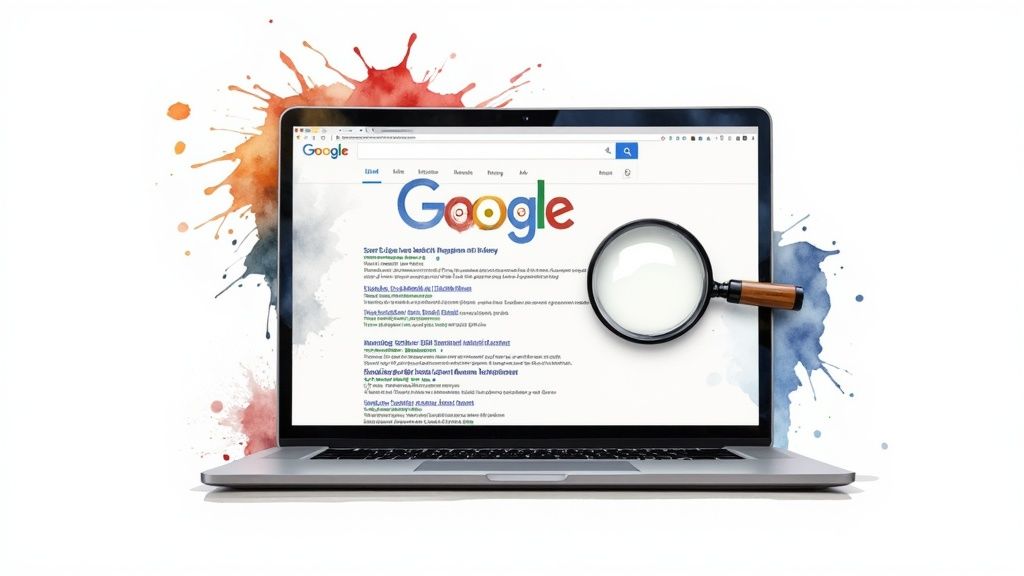
SEO (Search Engine Optimization) is de kunst om jouw website onweerstaanbaar te maken voor zoekmachines zoals Google. Het doel is simpel: als potentiële klanten zoeken naar wat jij aanbiedt, sta jij bovenaan. Het is de digitale variant van een winkel op de beste locatie in de stad.
Dit kanaal is gebouwd voor bedrijven die focussen op duurzame, lange termijn groei. SEO levert geen wonderen op van de ene op de andere dag, maar het verkeer dat het uiteindelijk genereert is zeer relevant en kosteneffectief. Een lokale bakker in Utrecht kan bijvoorbeeld SEO gebruiken om te ranken op "ambachtelijk brood Utrecht" en zo klanten aantrekken die actief op zoek zijn naar zijn producten.
Betaald Adverteren (PPC) voor Directe Impact
Betaald adverteren, vaak Pay-Per-Click (PPC) genoemd, is de snelweg naar je doelgroep. Je betaalt een bedrag telkens als iemand op je advertentie klikt, of dat nu op Google, LinkedIn of Instagram is. Zie het als het huren van een billboard op de drukste digitale snelweg – je wordt direct gezien.
PPC is ideaal wanneer je snelle resultaten nodig hebt. Perfect voor de lancering van een nieuwe dienst, een seizoensuitverkoop of het genereren van leads voor een tijdelijke campagne. Een Nederlandse tech-startup kan Google Ads inzetten om professionals te targeten die zoeken naar specifieke softwareoplossingen, wat onmiddellijk aanmeldingen oplevert.
Social Media Marketing voor het Bouwen van een Community
Social media marketing is veel meer dan alleen updates posten. Het gaat om het opbouwen van een echte community en het voeren van gesprekken met je doelgroep op de platforms die zij dagelijks gebruiken. Het is de moderne dorpskern waar je relaties opbouwt en de persoonlijkheid van je merk laat zien.
Dit kanaal is fantastisch voor het vergroten van merkbekendheid en het bevorderen van klantloyaliteit. Een boetiekhotel in Amsterdam kan bijvoorbeeld Instagram gebruiken om zijn prachtige interieur en lokale ervaringen te tonen, en zo een trouwe groep volgers opbouwen die zich al voor hun boeking verbonden voelen met het merk.
E-mailmarketing voor het Onderhouden van Relaties
Laat je niets wijsmaken: e-mail is springlevend. E-mailmarketing is nog steeds een van de krachtigste kanalen om geïnteresseerde prospects om te zetten in trouwe klanten. Je hebt een directe lijn met mensen die al hebben aangegeven geïnteresseerd te zijn.
E-mail is ongeëvenaard voor het nurturen van leads en het stimuleren van herhaalaankopen. Een Nederlandse webshop die duurzame kleding verkoopt, kan e-mail gebruiken voor gepersonaliseerde stijltips, meldingen over nieuwe collecties en exclusieve kortingen. Dit versterkt de klantloyaliteit en zorgt ervoor dat mensen blijven terugkomen.
De Kernkanalen in een Oogopslag
Deze tabel geeft een overzicht van de belangrijkste kanalen, hun doelen en wanneer je ze het beste kunt inzetten.
| Marketingkanaal | Primair Doel | Beste Voor |
|---|---|---|
| SEO | Duurzame, lange termijn zichtbaarheid & organisch verkeer | Fundamentele groei en autoriteit opbouwen over tijd. |
| Betaald Adverteren (PPC) | Direct verkeer, leads & verkopen | Snelle resultaten, productlanceringen en tijdsgebonden promoties. |
| Social Media Marketing | Merkbekendheid & community engagement | Relaties opbouwen, merkpersoonlijkheid tonen en visueel engageren. |
| E-mailmarketing | Lead nurturing & klantenbinding | Herhaalaankopen stimuleren en loyaliteit opbouwen met een bestaand publiek. |
Hoewel elk kanaal zijn eigen rol heeft, komt hun ware kracht naar boven als ze samenwerken.
Bouw een Duurzaam Fundament met SEO
Stel je voor dat jouw website je digitale winkelpui is. SEO is het netwerk van goed verlichte wegen dat potentiële klanten rechtstreeks naar je voordeur leidt. Waar andere kanalen snelle pieken in verkeer kunnen veroorzaken, is SEO de onmisbare basis voor duurzame, lange termijn groei.
Zie het zo: betaalde advertenties zijn als het huren van een billboard. Zodra je stopt met betalen, verdwijnt je zichtbaarheid. SEO daarentegen is als het bezitten van de grond waarop dat billboard staat. Het kost tijd en moeite, maar eenmaal gevestigd, bezit je een waardevol bezit dat consistent verkeer genereert. In de competitieve Nederlandse markt is een solide SEO-fundament geen luxe, maar een noodzaak.
De Drie Pilaren van Moderne SEO
Om een sterke structuur te bouwen, heb je stevige pilaren nodig. SEO werkt hetzelfde. We verdelen het in drie kerncomponenten die samenwerken om je ranking te verbeteren.
- On-Page SEO: Alles wat je direct op je website kunt aanpassen. Denk aan het optimaliseren van je content met de juiste zoekwoorden, het schrijven van pakkende titels en het logisch structureren van je pagina's.
- Off-Page SEO: Acties buiten je eigen website om je ranking te beïnvloeden. Het belangrijkste onderdeel is linkbuilding: het verkrijgen van links van andere betrouwbare websites. Zie elke link als een stem van vertrouwen.
- Technische SEO: Het werk achter de schermen dat ervoor zorgt dat je website goed geïndexeerd kan worden door zoekmachines. Dit omvat zaken als sitesnelheid, mobielvriendelijkheid en een duidelijke sitemap, een soort plattegrond voor Google.
Het beheersen van deze pilaren zorgt ervoor dat je website niet alleen mooi is, maar ook technisch solide en autoritair in de ogen van Google.
Vind Waar Jouw Klanten Naar Zoeken
De kern van een effectieve SEO-strategie is begrijpen welke woorden en zinnen je potentiële klanten in Google typen. Dit noemen we zoekwoordenonderzoek. Het gaat niet om gokken, maar om data gebruiken om de taal van je doelgroep te ontdekken.
Stel, je hebt een fietsenwinkel in Amsterdam. Je denkt misschien dat "premium fietsen" het perfecte zoekwoord is. Maar onderzoek toont wellicht aan dat je klanten zoeken naar "lichtgewicht stadsfiets Amsterdam" of "beste e-bike voor woon-werkverkeer".
Door je te richten op deze specifiekere zoektermen, spreek je klanten aan met een veel duidelijkere koopintentie. Je schreeuwt niet langer in het wilde weg, maar start een gericht gesprek.
Dit onderzoek vormt de basis voor alle content die je creëert, van blogposts tot dienstpagina's.
Content: De Sleutel tot Vertrouwen en Autoriteit
In de wereld van SEO is content koning. Maar niet zomaar elke content. Google's doel is om gebruikers de meest relevante antwoorden te geven. Om hoog te scoren, moet jij content creëren die precies dat doet: waardevolle artikelen, gidsen en bronnen die de problemen van je klanten oplossen.
In plaats van alleen je diensten op te sommen, creëer je content die je publiek helpt. Een financieel adviseur kan een gids schrijven over pensioenplanning voor ZZP'ers. Een softwarebedrijf kan een blogpost maken waarin verschillende projectmanagementmethoden worden vergeleken.
Door consequent waarde te bieden, bouw je vertrouwen en autoriteit op, wat cruciale rankingfactoren zijn. Voor een diepere duik in hoe wij deze strategieën bouwen, ontdek onze gedetailleerde aanpak van SEO zoekmachine optimalisatie.
Verbind met je Publiek via Content en Social Media
Als SEO het fundament van je digitale huis is, dan zijn content en social media de boeiende gesprekken die binnen plaatsvinden. Het is hoe je van toevallige bezoekers een loyale community maakt. Dit gaat minder over adverteren en meer over het opbouwen van echte connecties.
Goede content – zoals blogposts of video's – positioneert jou als een betrouwbare expert. Het beantwoordt de vragen die je publiek al stelt. Social media fungeert vervolgens als de megafoon en de ontmoetingsplaats, waar je je boodschap versterkt en echte gesprekken start.

De Kunst van Waardevolle Content Creëren
Eerlijk is eerlijk: je publiek wil geen verkooppraatje, ze willen oplossingen. De meest effectieve contentstrategieën focussen op het creëren van bronnen die echt nuttig, informatief of vermakelijk zijn.
Deze aanpak bouwt geloofwaardigheid op. Wanneer het tijd is om een aankoop te doen, naar wie zullen ze dan gaan? Naar het bedrijf dat alleen maar producten promootte, of naar degene die consequent waarde en expertise deelde?
Overweeg deze beproefde formats om te starten:
- Blogposts en Artikelen: Perfect om diep in onderwerpen te duiken en veelvoorkomende klantvragen te beantwoorden.
- Case Studies: Laat zien, vertel niet alleen. Niets bouwt meer vertrouwen op dan te demonstreren hoe je anderen hebt geholpen.
- Video's: Een zeer boeiend format om complexe ideeën eenvoudig uit te leggen en een menselijk gezicht aan je merk te geven.
Het doel is een bibliotheek van middelen te creëren die je publiek helpt. Ontdek hoe wij dit strategisch aanpakken met content marketing.
Gebruik Social Media om een Community te Bouwen
Social media platforms zijn geen advertentiekanalen; het zijn levendige gemeenschappen. Jouw rol is om deel te nemen, niet alleen te zenden. Kies de platforms waar jouw ideale klanten al actief zijn. Een B2B techbedrijf zal waarschijnlijk meer succes hebben op LinkedIn, terwijl een modemerk zal floreren op Instagram.
Jouw social media doel moet betrokkenheid zijn, niet alleen het aantal volgers. Een kleinere, zeer betrokken groep is veel waardevoller dan een grote, stille menigte. Start gesprekken, stel vragen en reageer op opmerkingen.
Dit creëert een dialoog en transformeert een passief publiek in gepassioneerde merkambassadeurs.
Kies de Juiste Sociale Platforms
Je hoeft absoluut niet overal aanwezig te zijn. Het is veel effectiever om je energie te richten waar het er het meest toe doet. Voor veel Nederlandse bedrijven is een aanwezigheid op platforms met een grote lokale gebruikersbasis cruciaal.
Neem bijvoorbeeld X (voorheen Twitter). Recente data toont aan dat het platform in Nederland ongeveer 9,19 miljoen gebruikers had. Deze diepe penetratie maakt het een krachtig kanaal om een groot deel van de Nederlandse internetgebruikers te bereiken.
Stippel een Eenvoudig Contentplan Uit
Consistentie is belangrijker dan perfectie. Een eenvoudig contentplan zorgt ervoor dat je regelmatig waarde biedt.
Hier is een simpele oefening: brainstorm de top 10 vragen die je klanten stellen. Elk van die vragen kan een blogpost, een korte video of een reeks social media tips worden. Zo heb je direct een solide startpunt voor je contentkalender.
Door vooruit te plannen, zorg je ervoor dat je online aanwezigheid een samenhangende motor voor bedrijfsgroei wordt.
Directe Groei Stimuleren met Betaald Adverteren
Terwijl SEO je digitale fundament voor de toekomst bouwt, heeft je bedrijf soms nu momentum nodig. Dit is waar betaald adverteren uitblinkt. Het geeft je de kracht om je bedrijf direct voor de neus van potentiële klanten te plaatsen op het exacte moment dat ze je nodig hebben.
Zie het als het huren van een perfect gepositioneerde pop-upwinkel in de drukste digitale winkelstraat. Je wacht niet tot mensen jou vinden; je gaat direct naar hen toe. Dit is ideaal bij de lancering van een nieuw product, een seizoensaanbieding of wanneer je snel leads en verkopen nodig hebt.
Het Landschap van Betaald Adverteren Begrijpen
Betaald adverteren, vaak Pay-Per-Click (PPC) genoemd, is een model waarbij je betaalt telkens als iemand op je advertentie klikt. De twee belangrijkste arena's hiervoor zijn zoekmachines en social media.
- Zoekmachine Adverteren (SEA): Platforms zoals Google Ads laten je bieden op specifieke zoekwoorden. Wanneer iemand op die term zoekt, kan jouw advertentie bovenaan de resultaten verschijnen.
- Betaalde Social Media: Platforms zoals LinkedIn, Instagram en Facebook laten je gebruikers targeten op basis van demografie, interesses en online gedrag.
Elk platform heeft een ander doel, maar ze delen een krachtig voordeel: directheid en controle. Jij bepaalt wie je advertenties ziet, hoeveel je uitgeeft en je ziet de resultaten vrijwel onmiddellijk.
Stel een Slim Budget In en Target de Juiste Mensen
Een van de grootste struikelblokken voor ondernemers is het bepalen van het budget. Het mooie van betaald adverteren is dat je geen enorm budget nodig hebt om te beginnen. Je kunt klein starten om te testen wat werkt.
De echte sleutel is niet je budget, maar hoe nauwkeurig je je doelgroep definieert. Je kunt je publiek specificeren op basis van:
- Locatie: Richt je op gebruikers in een specifieke stad, regio of zelfs binnen een bepaalde straal van je winkel.
- Demografie: Filter op leeftijd, geslacht, functie en branche.
- Interesses: Bereik mensen op basis van hun hobby's.
- Gedrag: Target gebruikers die je website eerder hebben bezocht (dit heet retargeting).
Een goed gerichte advertentie getoond aan 100 perfecte potentiële klanten is oneindig veel waardevoller dan een generieke advertentie getoond aan 10.000 ongeïnteresseerde mensen.
Door je budget te richten op een zeer relevant publiek, verhoog je de kans op succes aanzienlijk.
Maak Advertenties Waar Mensen op Willen Klikken
Jouw advertentie is je digitale handdruk. Het moet overtuigend, duidelijk en relevant zijn. Een geweldige advertentie heeft drie kerncomponenten:
- Een Pakkende Kop: Deze moet de aandacht trekken en aansluiten bij de zoekopdracht of interesse van de gebruiker.
- Relevante Tekst: De tekst moet duidelijk het voordeel benoemen en een specifiek probleem voor de gebruiker oplossen.
- Een Duidelijke Call to Action (CTA): Vertel de gebruiker precies wat je wilt dat hij doet, zoals "Shop Nu", "Download Gids" of "Vraag een Offerte aan".
Je advertentie moet zijn belofte waarmaken. De landingspagina waar deze naar linkt, moet een naadloze voortzetting zijn van die boodschap. Leer meer over onze strategische aanpak van zoekmachine adverteren.
Meten is Weten: Return on Investment
Het meest krachtige aspect van betaald adverteren is de meetbaarheid. Je hoeft niet te gokken of het werkt. Door statistieken zoals klikken, conversies en kosten per acquisitie bij te houden, kun je je Return on Investment (ROI) nauwkeurig berekenen.
Deze datagedreven aanpak stelt je in staat om slimme beslissingen te nemen. Je kunt investeren in de advertenties die verkopen genereren en stoppen met wat niet werkt. Deze cyclus van testen, meten en optimaliseren bouwt een winstgevende advertentiemachine.
Jouw Winstgevende Digitale Marketingstrategie Bouwen
Goede tools hebben is één ding; een winnend plan hebben is iets heel anders. Hier brengen we alles samen, van losse kanalen naar een samenhangende routekaart voor groei.
Een strategie zorgt ervoor dat elke actie die je onderneemt, doelgericht is. Het transformeert je marketing van willekeurige activiteiten naar een voorspelbare motor voor succes.
Vergelijk het met het bouwen van een huis. Je begint niet zomaar met metselen. Je start met een gedetailleerde blauwdruk. Jouw digitale marketingstrategie is die blauwdruk voor groei.

Stel Duidelijke en Meetbare Doelen
Wat betekent succes voor jouw bedrijf? Zonder een duidelijke bestemming kun je de route niet uitstippelen. De beste doelen zijn SMART:
- Specifiek: Definieer duidelijk wat je wilt bereiken. In plaats van "meer websiteverkeer", streef naar "organisch websiteverkeer verhogen met 20%".
- Meetbaar: Zorg ervoor dat je je voortgang kunt volgen met harde data.
- Acceptabel: Stel doelen die uitdagen maar haalbaar zijn.
- Relevant: Je doelen moeten aansluiten bij je grotere bedrijfsdoelstellingen, zoals omzetgroei.
- Tijdsgebonden: Geef jezelf een deadline, zoals "in de komende zes maanden".
Dit eenvoudige raamwerk verandert vage ambities in een concreet plan.
Begrijp Jouw Ideale Klant
Je kunt niet marketen aan een publiek dat je niet begrijpt. Voordat je een kanaal kiest, heb je een glashelder beeld nodig van wie je ideale klant is.
Een diepgaand begrip van de uitdagingen, motivaties en online gewoonten van je klant is het allerbelangrijkste element van een succesvolle strategie. Waar zoeken ze online naar informatie? Welke social media platforms gebruiken ze écht?
Het creëren van een gedetailleerde buyer persona – een fictief profiel van je ideale klant – helpt je om slimmere beslissingen te nemen over alles, van de woorden in je advertenties tot de kanalen waarin je investeert.
Kies de Juiste Mix van Kanalen
Zodra je doelen zijn vastgesteld en je je publiek kent, is het tijd om je marketingkanalen te kiezen. Een veelgemaakte fout is proberen overal tegelijk te zijn. Het is veel effectiever om een paar relevante kanalen te domineren.
Je keuze moet een directe weerspiegeling zijn van waar je ideale klant zijn tijd doorbrengt. Deze strategische focus zorgt ervoor dat je budget en energie geconcentreerd zijn waar ze de grootste impact hebben. Zeker gezien de snelle digitale groei in Nederland. De Nederlandse markt voor digitale transformatie zal naar verwachting bijna verdubbelen, van USD 35,54 miljard in 2025 naar USD 66,07 miljard in 2030. Meer inzichten hierover vind je in the Dutch digital market growth on Mordor Intelligence.
Volgen, Analyseren en Optimaliseren
Een strategie is geen document dat je instelt en vergeet. Het vereist constante aandacht. Tools zoals Google Analytics zijn essentieel om te begrijpen wat er op je website gebeurt. Hiermee volg je belangrijke statistieken en meet je je Return on Investment (ROI).
Door regelmatig je data te controleren, stop je met gokken en begin je met het nemen van geïnformeerde beslissingen. Deze continue cyclus van volgen, analyseren en aanpassen is wat succesvolle bedrijven onderscheidt. Het is hoe je blijft verbeteren en dichter bij je doelen komt.
Jouw Digitale Marketing Vragen Beantwoord
Starten met digitale marketing kan voelen als het leren van een nieuwe taal, en het is volkomen normaal om vragen te hebben. Je hebt geen jargon nodig; je hebt duidelijke, directe antwoorden nodig om slimme beslissingen te nemen. Laten we enkele van de meest voorkomende vragen aanpakken.
Ons doel hier is om de ruis te doorbreken en je de praktische inzichten te geven die je nodig hebt.
Hoeveel Moet Ik Budgetteren voor Digitale Marketing?
Dit is vaak de eerste vraag, maar er is geen magisch getal. Een veelgebruikte vuistregel is om 7-12% van je totale omzet te reserveren voor marketing. Eerlijk gezegd hangt dit af van je branche en je doelen.
Een betere manier om te beginnen is klein en gefocust:
- Kies één of twee kanalen waar je ideale klanten zich bevinden.
- Stel een startbudget in waar je je comfortabel bij voelt.
- Volg vervolgens je Return on Investment (ROI) nauwkeurig.
Zodra je ziet wat resultaten oplevert, kun je vol vertrouwen meer investeren in wat werkt. Zo groeit je budget op basis van bewezen succes, niet op basis van giswerk.
Welk Digitaal Marketingkanaal is het Belangrijkst?
Het "belangrijkste" kanaal is simpelweg waar je klanten zijn. Er is geen geheime formule. De beste strategieën zijn altijd gebouwd rond het online gedrag van je doelgroep.
Een B2B-adviesbureau zal zijn beste leads waarschijnlijk vinden op LinkedIn, ondersteund door een solide SEO-strategie. Maar een merk dat handgemaakte sieraden verkoopt? Dat zal waarschijnlijk het meeste succes zien op visuele platforms zoals Instagram en Pinterest.
De echte truc is niet het vinden van één "beste" kanaal. Het gaat om het creëren van een slimme mix waarin verschillende kanalen samenwerken.
Het is een teamprestatie – elk kanaal speelt zijn eigen belangrijke rol.
Hoe Lang Duurt Het om Resultaten van SEO te Zien?
Geduld is een schone zaak als het om SEO gaat. Zie het als een langetermijninvestering, niet als een snelle oplossing. Hoewel je misschien binnen 3-4 maanden wat kleine verbeteringen in rankings en verkeer ziet, duurt het meestal 6-12 maanden om echt significante, blijvende resultaten te zien.
Die tijdlijn lijkt misschien lang, maar de opbrengst is enorm. Een solide SEO-strategie bouwt een krachtig bezit voor je bedrijf op: een gestage stroom van hoogwaardig organisch verkeer waar je niet voor elke klik hoeft te betalen. Het is de basis van duurzame groei in de digitale wereld.